


Does Memory Air Work for Memory and Cognitive Function?

This post contains affiliate links. Stridekick may earn a commission on purchases.
Most memory-support routines ask a lot of you: puzzles, an app you have to open, supplements you have to remember to take. Memory Air takes the effort out. It's a small plug-in device for your nightstand that releases a rotating series of scents while you sleep, automatically, every night. You press one button on the first night, and it runs from there.
So, does it work? The early research is encouraging but limited. A small 2023 study of a similar overnight scent routine found better word-recall scores in healthy adults ages 60 to 85, but Memory Air itself hasn't been tested.
We'd call it an easy, low-risk habit to try, not a proven fix, and a 60-day guarantee takes much of the risk out of trying it. It isn't a treatment for memory loss or dementia. If you or someone you love is noticing changes in memory, bring it up with a doctor no matter what else goes on the nightstand.
What Is Memory Air and How Does the Overnight Scent Device Work?

Memory Air is a bedside olfactory enrichment device, meaning it's designed to expose your sense of smell to a changing mix of scents while you sleep. The idea, developed by UC Irvine neuroscientist Michael Leon, is that regular exposure to many different smells may support memory. It's a compact plug-in unit, about 5.5 inches square, built around a replaceable scent belt. Here's what's inside it and why each piece matters:
- A belt of 40 scents. Variety is the whole idea. Leon has said olfactory enrichment differs from ordinary aromatherapy because it relies on many novel scents, not just pleasant ones, according to Yale Scientific. A standard diffuser releases one scent at a time and depends on you to refill and switch oils.
- Warm release plus a quiet fan. Per Fast Company, the device warms a pouch to release a scent for about 20 to 30 seconds, then a low-speed fan carries it out. The brand's FAQ says the scents cycle twice each night, so you get variety without waking up to change anything.
- One-button setup and an automatic nightly schedule. The routine doesn't depend on your memory, which is a practical advantage for a product aimed at people thinking about theirs.
- Quiet operation and CPAP compatibility. The brand describes the device as nearly silent and compatible with CPAP machines.
- Monthly scent belts. Each belt lasts about 30 days, and subscribers get a fresh one on a schedule, so there's nothing to reorder.
- A range of about four feet. It sits on the nightstand at head level rather than across the room.
How Is Memory Air Different From Puzzles, Apps, and Essential Oil Diffusers?

Most brain-health habits fall into a few buckets, and each has a built-in hurdle. Puzzles and apps work only on the days you actually do them. Supplements depend on remembering a daily dose. A basic essential oil diffuser needs refilling, and it usually runs one scent at a time.
Memory Air's pitch is that it removes the effort. It rotates 40 scents on its own, runs while you're asleep, and asks nothing of you after setup. That convenience is its clearest advantage over the alternatives, and it's why it makes sense as an add-on to the basics, not a replacement for them.
How Would Memory Air Fit Into Your Nightly Routine?
A few realistic situations where it earns a spot:
- You've started and dropped brain-health habits before. Because nothing about Memory Air happens while you're awake, there's no streak to break.
- You use a CPAP machine. The brand says Memory Air is compatible, so it shouldn't mean choosing between the two.
- You're shopping for a healthy parent or grandparent who wants to stay sharp. It's a low-effort gift idea, as long as they're comfortable with an outlet by the bed and a monthly belt subscription.
- You already look after the basics. Sleep, regular activity, time with other people, and regular checkups all matter for brain health. Memory Air is designed to sit alongside those habits, not stand in for them.
Does Memory Air Work? What the Research Shows
The main study behind Memory Air is a 2023 trial in Frontiers in Neuroscience of 43 adults aged 60 to 85. They were randomly assigned to diffuse one of seven scents for two hours each night for six months, or to use an identical diffuser with only a trace of scent.
The result: Everyone took a memory test where you hear a list of words and try to recall as many as you can over several rounds. After six months, the scent group remembered about one more word than they had at the start, while the control group remembered about three-quarters of a word fewer.
That gap of roughly a word and a half is where the 226% comes from. The percentage looks big because it's measured against a very small change. MRI scans also showed a difference in a brain pathway involved in memory in the scent group.
It's an encouraging early result, with limits worth knowing. Only 23 people completed the memory testing, in part because of COVID disruptions. The study measured one memory test plus brain imaging, not broader cognitive function like attention or processing speed.
Procter & Gamble funded it, and Michael Leon, who led it, partnered with an entrepreneur to start the company that sells Memory Air, per UC Irvine.
It also used a standard diffuser with seven scents, not the Memory Air device and its 40-scent belt, and we found no published trial of the device itself. NPR's coverage noted the small size and the pandemic interruption, and that the study tested passive overnight exposure rather than the active smell training used in earlier dementia research.
Memory Air's health page lists about ten more articles as supporting research, mostly studies of olfactory training, where people deliberately sniff a few scents twice a day for weeks or months, plus mouse studies and research in people with smell loss.
Together they support the general idea that regular smell exposure can affect brain function, but none tested an overnight device.
What Comes With Memory Air, and Is the Scent Belt Subscription Required?
- The device: a plug-in unit, about 5.5 inches square, with a range of about four feet.
- Ongoing cost: a monthly scent belt (40 scents, about a 30-day supply), billed monthly or yearly, with a discount on the annual plan.
- First month: the scent belt is included with the device.
- Guarantee: 60 days, per the product page.
- Availability: US only.
- FDA status: a general wellness device, not FDA-cleared.
- Best for: healthy adults 60+ who want passive, low-effort nightly scent exposure.
The belt subscription is part of the product, not an add-on. Each belt lasts roughly a month, and the research above involved six months of exposure, so plan on an ongoing cost beyond the device itself.
👉 Shop Memory Air in the Stridekick Shop
What Should You Know Before Buying Memory Air?
- Memory Air is a wellness device, not a medical treatment. The brand says it isn't FDA-cleared, so it's not a substitute for evaluation or care if memory is a concern.
- Check with your doctor first if you have asthma, allergies, or fragrance sensitivity. The brand's FAQ says the scents are safe but doesn't address asthma, allergies, or pets.
- Scent belts are a recurring monthly cost. Skipping belts means the device stops doing its job.
Is Memory Air Worth It for Adults Over 60?
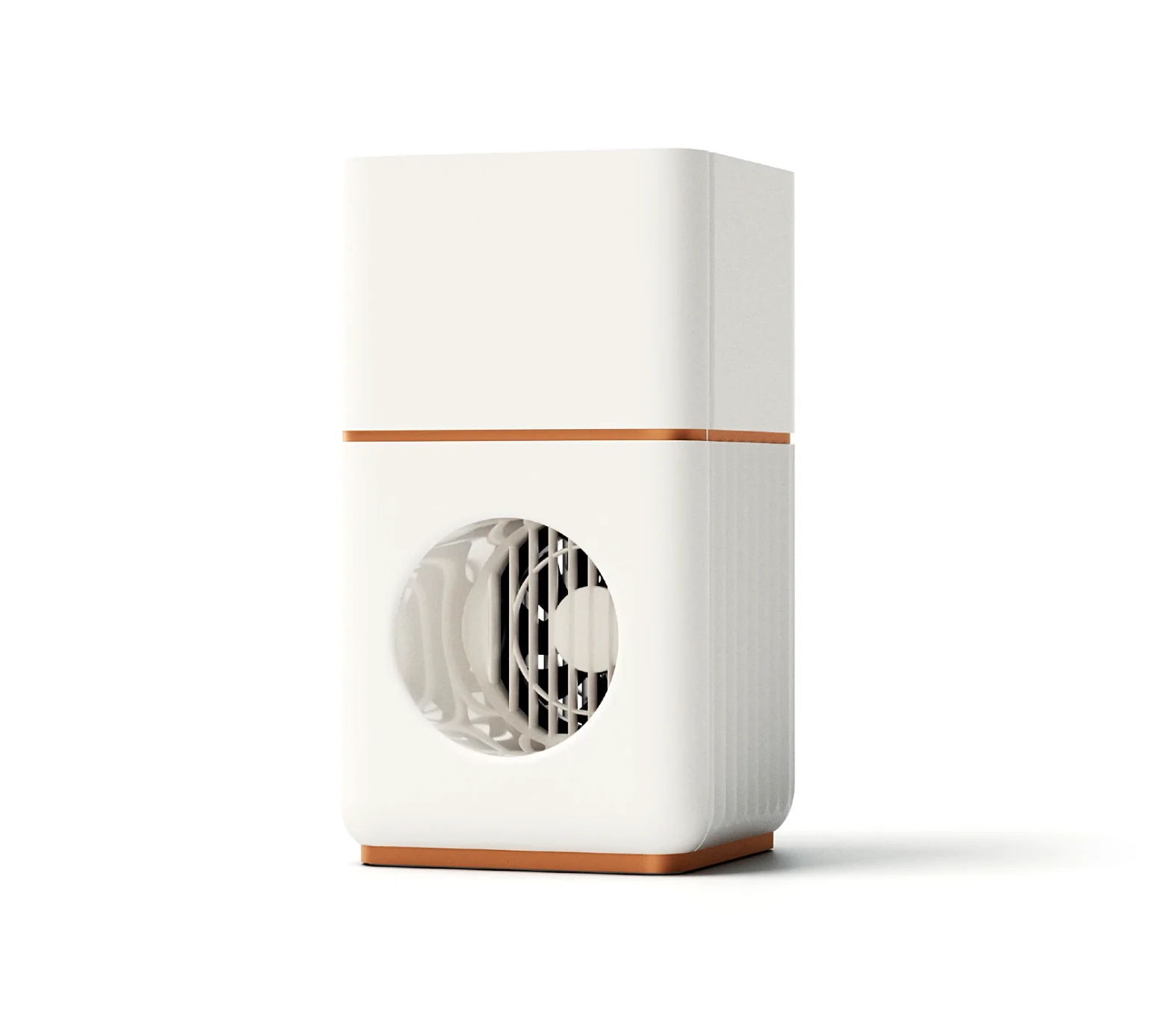
For a healthy adult over 60 who wants an easy, set-it-and-forget-it addition to a brain-health routine, Memory Air is a reasonable buy. You get a quiet bedside device that rotates 40 scents on its own, a one-button setup, CPAP compatibility, a research-inspired approach from a UC Irvine neuroscientist, and a 60-day guarantee if it doesn't feel right.
It's also a thoughtful pick if you're shopping for a parent who wants to stay sharp and would never keep up a daily routine.
Skip it if you're looking for a proven treatment for memory loss, dementia, or Alzheimer's, if an ongoing monthly cost is a stretch, or if scents tend to bother you or your sleep partner. If memory changes are the reason you're shopping, start with a conversation with your doctor.
Ready to add an overnight scent routine to your nightstand?


