



How to Expand Your Step Challenge From One Team to the Whole Company

A successful pilot shouldn’t stay a pilot. It’s the best tool you have to make the next challenge bigger.
If your first challenge started with one department, one office, or a smaller group of employees, you already have something valuable: proof that the experience works inside your organization. People joined, coworkers got competitive, the leaderboard created conversation, and you may even have had people outside the challenge asking when they could join.
Use that momentum to bring more people into the next one. To run a company-wide step challenge, use your first challenge as proof, share the buzz so other teams want in, bring champions in early, and expand in stages with a format built for a bigger group.
Why Expand Your Step Challenge Company-Wide?
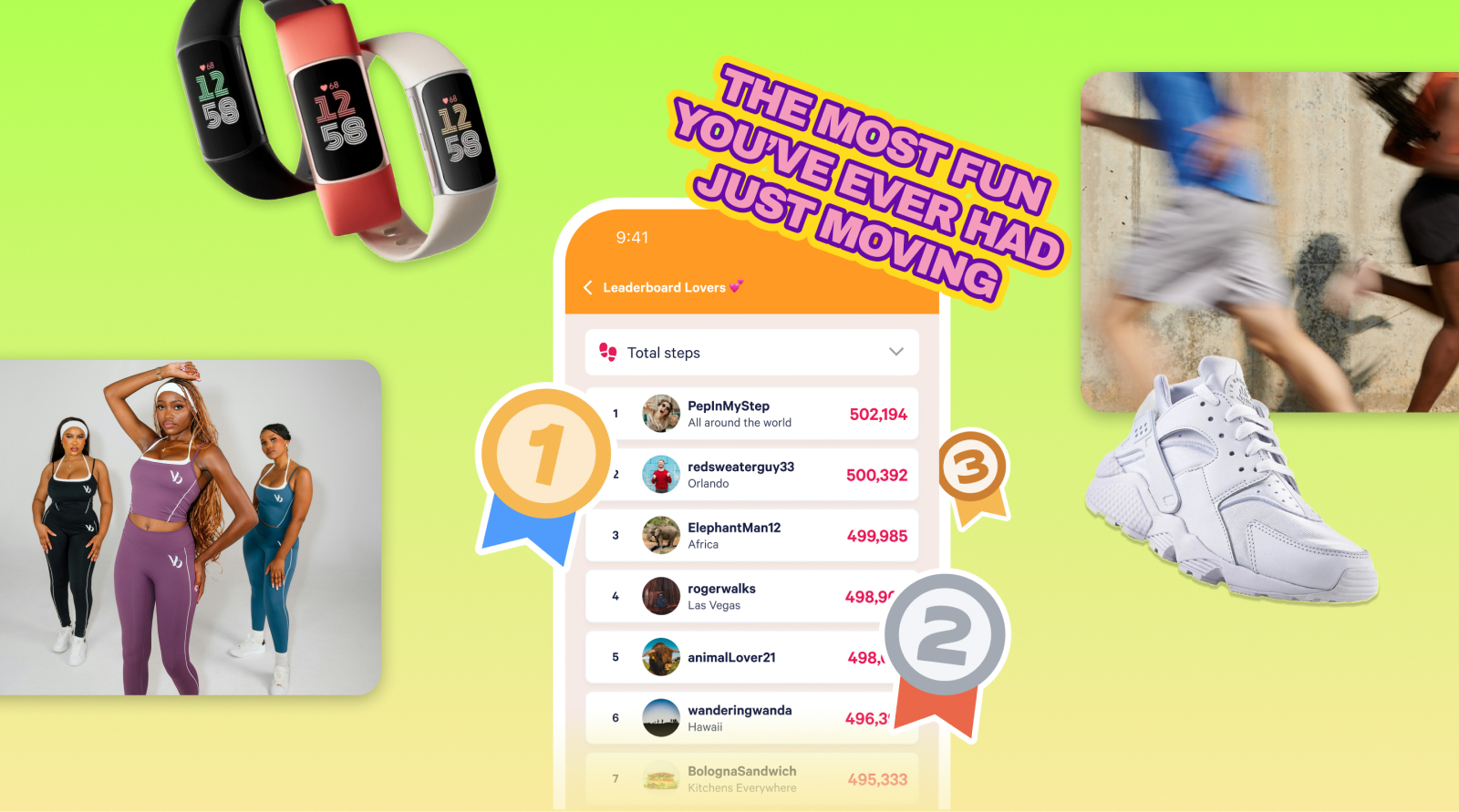
Once one group has a good experience, expanding it can do more than increase the participant count. A broader workplace step challenge can create more connection across teams and locations, give people something fun to rally around, and help more of the organization experience a program that is already working.
It can also create more champions for future challenges. The more departments, offices, and leaders who have experienced Stridekick themselves, the easier it becomes for the program to keep growing without everything falling back on one admin.
For a deeper look at the why behind expanding, see The Biggest Benefits of a Company-Wide Step Challenge.
Use Your Existing Step Challenge to Build Company-Wide Interest
The easiest way to grow your next challenge is to make the first one visible.
Start with a few simple proof points:
- Participation
- Total steps or distance
- Team results or milestones
- A favorite participant moment or quote
The numbers show the scale, but the stories are usually what make people want in. A leaderboard rivalry, a lunchtime walk, a funny Challenge Chat moment, or coworkers asking when the next challenge starts can be just as useful as the final step count.
Share some of that while the challenge is still happening. Post a leaderboard update in Slack or Teams, celebrate a milestone, share a team photo, or give a quick shout-out in an all-hands. You’re not asking the whole company to join yet. You’re simply giving people a reason to notice.
That’s how you get to the best kind of question: “Wait, how do we get in on the next one?”

When the challenge wraps, turn the highlights into a short recap for HR, leadership, or the next department you want involved. Keep it simple: a few results, one or two memorable moments, and what you want to do next.
Keep the story going after the finish line, too. Give shout-outs beyond the top stepper, like Most Improved, Most Consistent, or Weekend Warrior. Ask your top movers what their biggest days looked like, and turn your group total into something people can picture, like how many times you walked coast to coast.
Get More Departments and Teams Into Your Step Challenge
The people who enjoyed the first challenge can help you recruit the next 200.
Ask participants who should be included next. Anyone with the challenge link can share it, so encourage them to bring a coworker or challenge another department. Sales might pull in Marketing. One office might call out another. A regional team might decide it wants its own shot at the leaderboard.
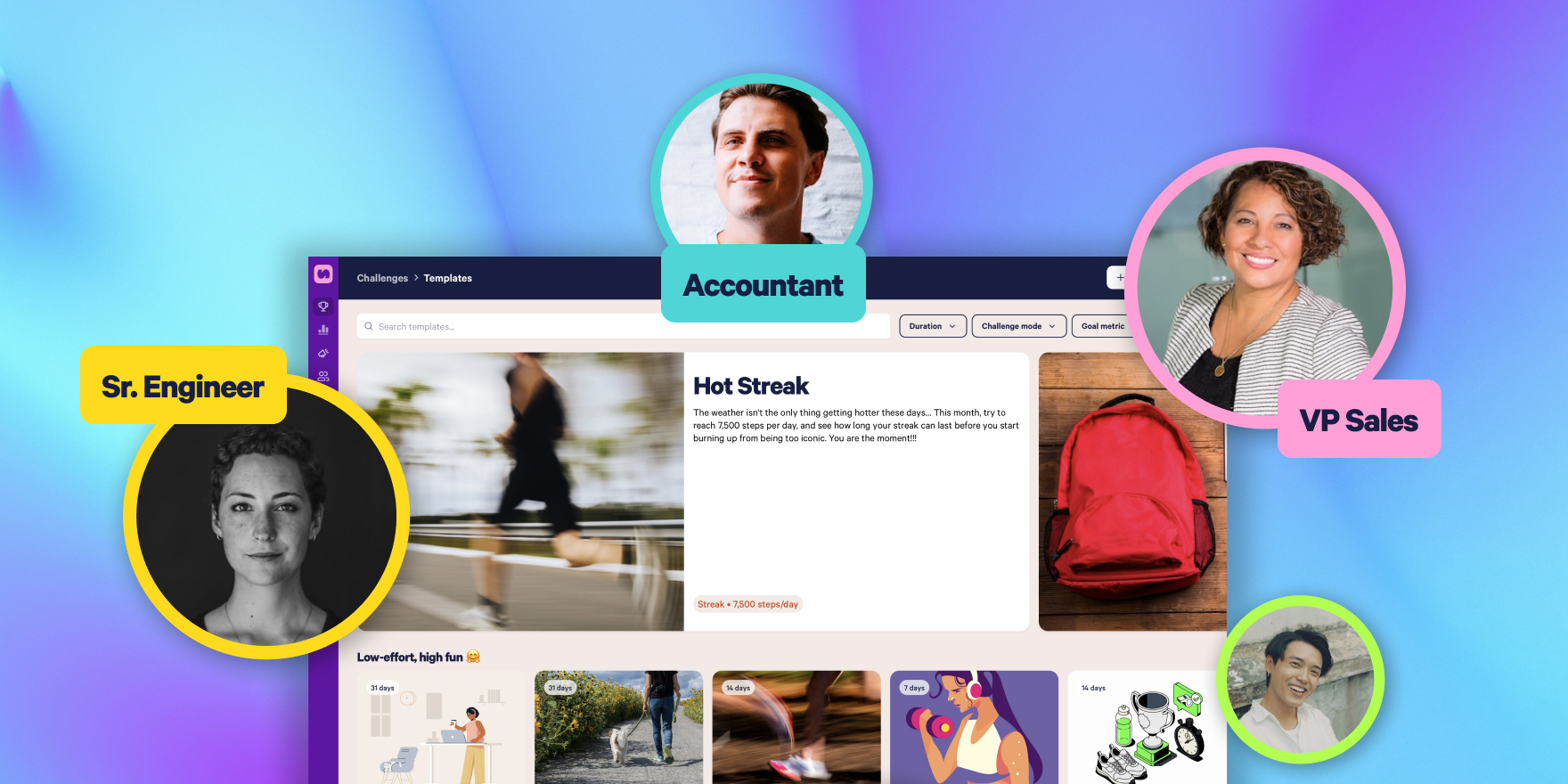
At the same time, bring in the people who can help the challenge travel further:
- HR or People leaders
- Employee resource group (ERG) leaders
- Internal Comms
- Department heads
- Office or regional leaders
- Anyone who owns larger company programs
Let them see the challenge firsthand if you can. They could join a team, follow the leaderboard, or help manage the next round. Once they’ve experienced it, you’re no longer trying to explain why it works from the outside.
If you’re already working with Stridekick, this is also a good point to pull your account manager into the conversation. They can help answer questions, map out what bringing the next group in could look like, walk new department admins through setup so they’re ready to launch their own challenges, and send ready-to-forward flyers that show other teams how easy it is to get involved.
Expand Your Step Challenge in Stages
Company-wide is the goal, and you can get there one step at a time:
- One team
- A few departments
- Multiple offices or regions
- The whole company
Each stage gives you another group of people who know the challenge, can talk about it, and can help pull the next group in.
How to Run a Company-Wide Step Challenge Without Creating More Work
Going from one team to a much larger audience builds on everything you’ve already set up.
Your first challenge already taught you which questions people ask, which messages get attention, what prizes people care about, and what parts of setup need more explanation. Reuse what worked instead of rebuilding everything.
A few things make a bigger challenge easier to manage:
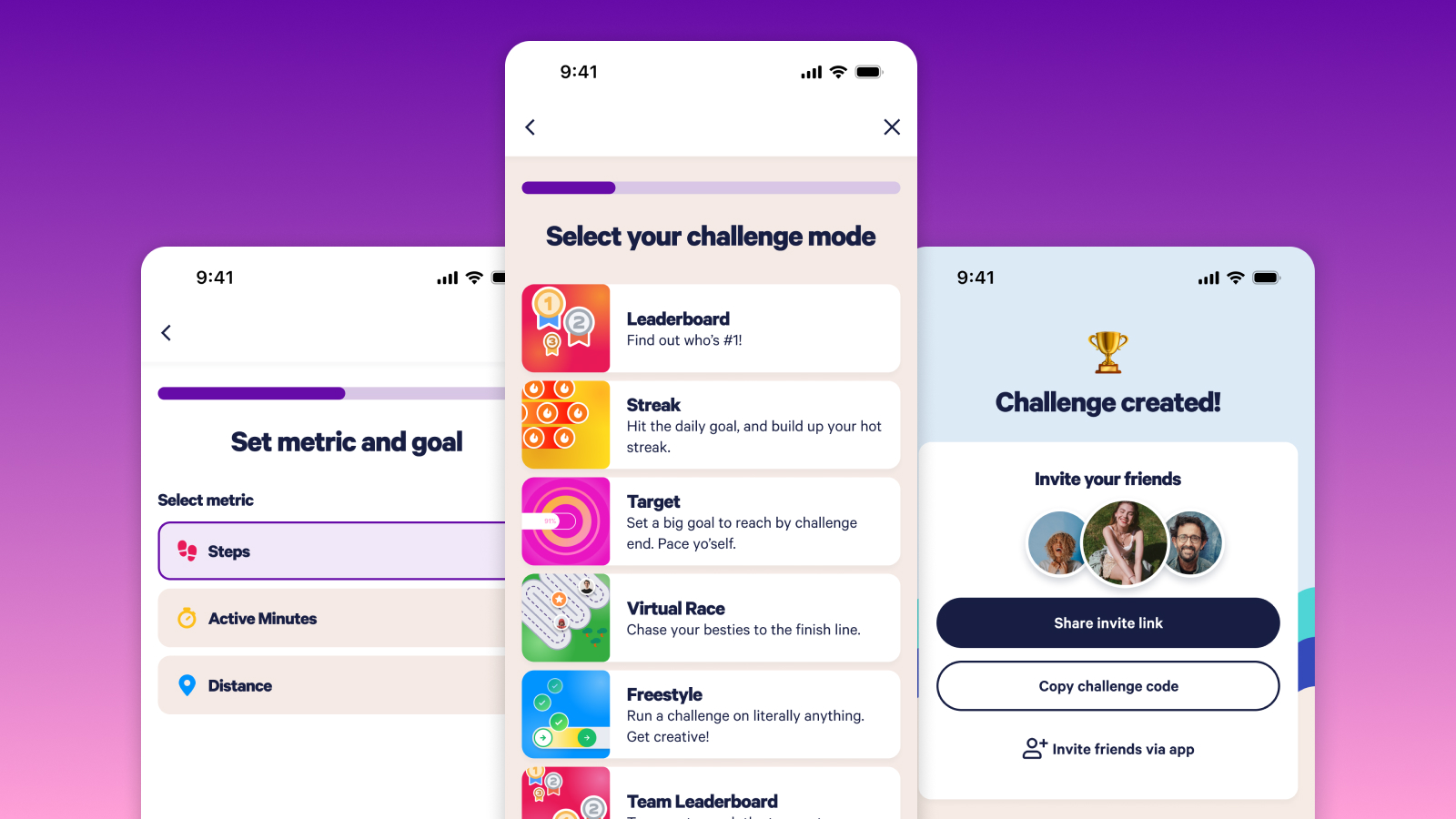
- Challenge Templates can speed up setup with 100+ ready-to-launch ideas.
- Announcements let you schedule key messages ahead of time.
- Multi-Admin lets up to 10 admins help run the program.
- Duplicate and auto-enrollment lets you add anyone already in your Stridekick community in SuperDash to your next challenge, so the people who loved round one are in from the start.
- Your original FAQs, prize ideas, and communications can all be reused.
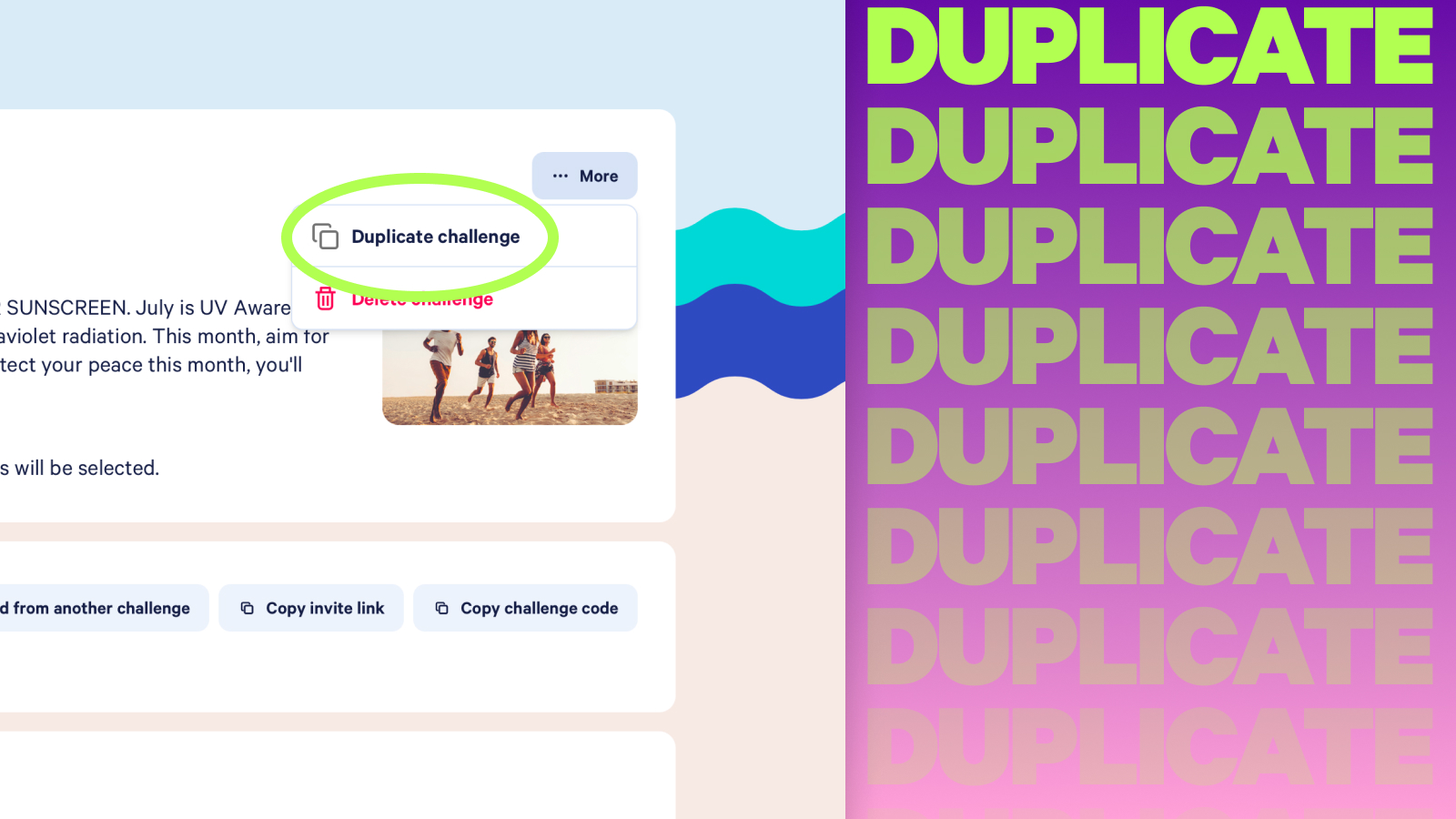
The format may need to evolve as the group gets bigger, too. Team Leaderboard works well for department-vs.-department or office-vs.-office competition, and because it ranks teams by average activity per member, groups of different sizes compete on even ground. Group Target gives everyone one shared goal. You can also stack challenge modes when you want both team competition and a company-wide objective. That flexibility helps a step challenge fit naturally into a broader employee fitness or wellness program.
Need more detail? See The Ultimate Guide to Stridekick Challenge Modes and Why You Should Stack Challenge Modes for Better Engagement. For recognition ideas, The Most Engaging Prize Strategy for Every Stridekick Challenge Mode can help you reward more than just the top stepper.
Step Challenge Example: How One Team Grew From 50 to 118 Participants
One Stridekick customer planned a 50-person challenge through an employee resource group. By launch, 118 employees had signed up, and together they logged 11.44 million steps, almost 5,700 miles, in about two weeks, with about 90% of participants keeping their activity synced throughout. Here’s what made the difference:
- They kept it visible. Regular posts in their internal social channel encouraged a little friendly smack talk from kickoff to finish.
- Leaders joined in publicly. The CFO and the executive team signed up, commented on posts, and picked their own usernames.
- They made every step count. The message was clear: walking, running, gardening, or keeping up with the dog all count toward the goal.
- They warmed people up before day one. A best-username contest and a “getting ready” photo prompt had people talking before the challenge even started.
- They gave everyone a shared reason to move. Hitting the group goal unlocked a corporate donation to a mental health nonprofit. The group moved so fast that the team raised the goal along the way, and they still finished at 113% of it.
Now those results are the benchmark for round two.
Make Your Company-Wide Step Challenge Easy to Join
Going company-wide can be simpler than it sounds. You already have proof that the challenge works, messages you can reuse, and people who can help spread the word.
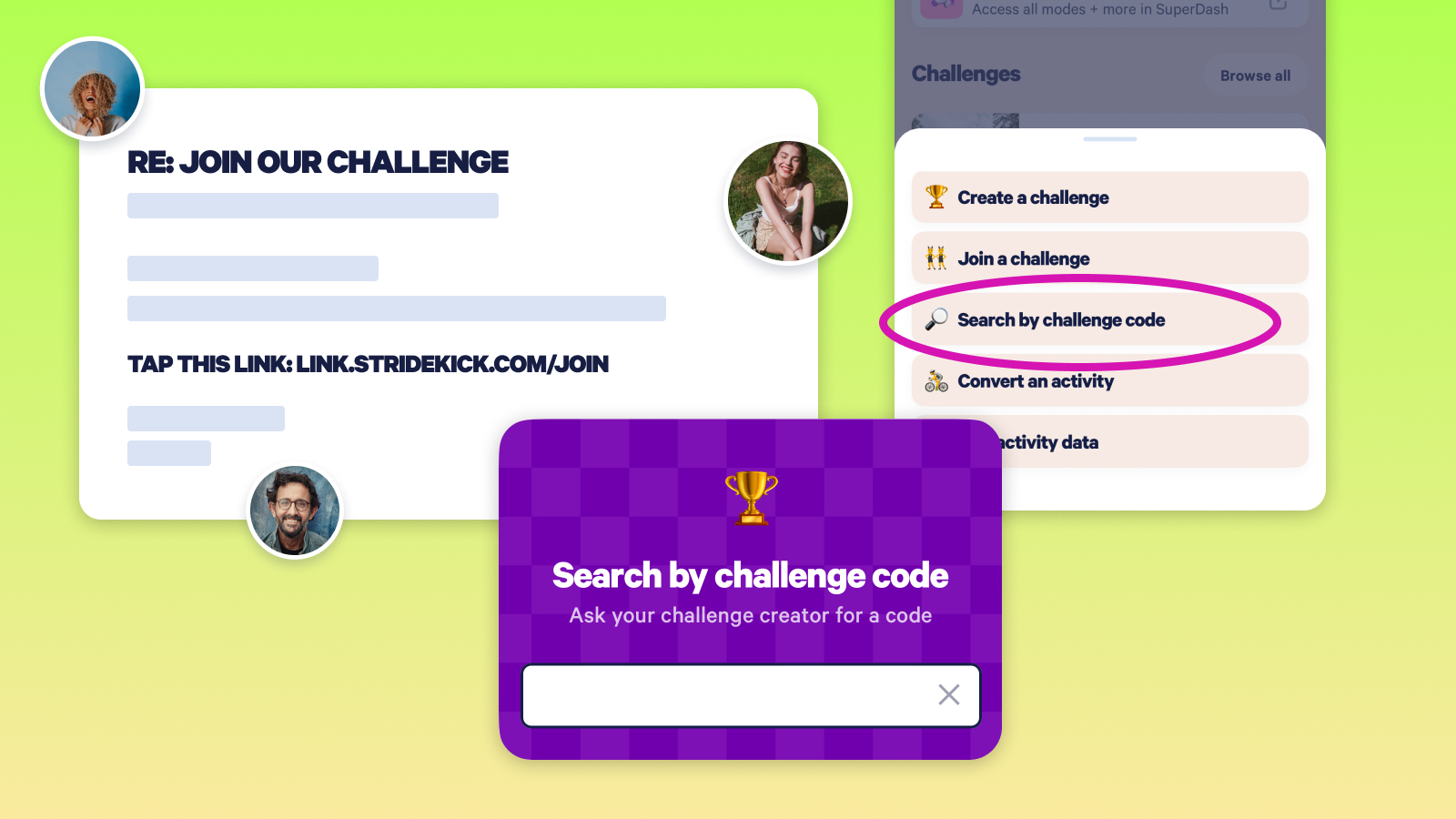
Keep it simple: share a quick recap from the first challenge, introduce the new groups joining, and let returning participants do some of the talking for you. Then post the invite in the channels people already use. A bigger audience doesn’t have to mean a bigger workload.
Our guide to 12 Ways to Launch Your Step Challenge With a Bang has more ideas for building buzz and driving sign-ups. Once everyone’s in, use 12 Ways to Boost Engagement in Your Step Challenge to keep that momentum going.
Your Company-Wide Step Challenge Expansion Checklist
Your expansion plan can start with five things:
- Pull your best results and stories from the first challenge
- Pick the next group you want involved
- Bring in one person who can help champion it
- Decide what needs to change for a bigger audience
- Set the next challenge while interest is still high
The first challenge proves the idea works. The next one is where you start turning that momentum into something more people across your organization can be part of.
And once more groups are involved, the possibilities open up even more. Departments can run their own challenges, offices can compete seasonally, and larger company-wide events can bring everyone back together. For more ideas, see From Product Launches to Customer Summits: 10 Ways Teams Across Your Company Can Use Stridekick and Why You Shouldn’t Run Just One Challenge (and Call It a Day).
How Stridekick Unlimited Supports Company-Wide Step Challenges
Stridekick Unlimited gives you room to grow with unlimited challenges, all 11 challenge modes including Team and Group formats, challenges up to 90 days, SuperDash reporting, up to 10 admins, and a dedicated account manager. Employees join using the device they already use.

Already running Stridekick with one team, office, or department? Talk to your account manager about bringing the next part of your organization in.
New to Stridekick? Get a demo to see how a company-wide challenge could work for your organization.
Company-Wide Step Challenge FAQs
How do you run a company-wide step challenge?
Start with results from a smaller challenge or pilot to show what worked. Share highlights so other teams want in, bring champions from each group in early, expand in stages, and choose a Team or Group challenge format that works for a larger audience. The same approach works for any company-wide fitness challenge, whether you track steps, distance, or active minutes.
How do you get more employees to join your next step challenge?
Use your first challenge as social proof. Share highlights while it’s running, make it clear every kind of movement counts, invite leaders to join publicly, and give everyone a shared reason to move, like a company donation that unlocks when the group hits its goal. Participants can also share the challenge link with coworkers on other teams.
How many steps per day should a team challenge goal be?
Use your first challenge as the baseline. For example, one Stridekick customer’s group averaged about 6,900 steps per person per day in its first challenge, so a daily goal slightly below that, around 6,000, would keep a bigger company-wide version approachable for first-time participants. Our 8,000 vs. 10,000 Steps guide can help you think through daily goals, too.
What rewards work best for a company-wide step challenge?
Mix a shared reward with individual recognition. A company donation that unlocks when the group hits its goal gives everyone a reason to move, while shout-outs like Most Improved or Most Consistent celebrate more than the top stepper. Our prize strategy guide covers eligibility and winner selection for each challenge mode.
How many admins can manage a Stridekick challenge program?
Stridekick Unlimited supports up to 10 admins, including the account Owner. Each admin can create and manage challenges, which makes it easy to involve leaders from different parts of the organization.


